
Fix Appliances Faster: How SmartHQ™ Service's Session History Boosts Efficiency


TL;DR
- Without an appliance's repair history, technicians repeat diagnostic tests, work from scattered paper or digital notes, and risk missing what was already done. That wastes time, causes incorrect repairs and repeat visits, and leaves customers frustrated and more likely to leave poor reviews.
- SmartHQ Service's Session History keeps an appliance's past service records in one digital place. Technicians can check what was tested and done before instead of starting from zero, and session notes stay tied to the appliance, which supports faster, better-informed repairs on the next visit.
- Repair data also helps businesses see which appliance issues are common, stock the parts they need, and offer preventive maintenance plans. The result is fewer repeat visits, quicker response for customers, and clearer insight into appliance trends that supports efficiency and revenue.
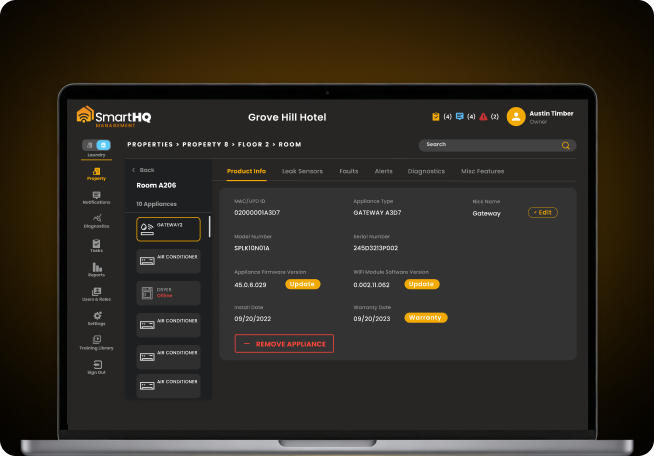
- SmartHQ™ Service puts diagnostics on a technician's mobile device, with real-time fault codes read straight from the appliance, service history checks, and notes tied to the appliance, so each visit builds on the last.
The appliance repair industry faces major efficiency challenges. Studies show that technicians spend up to 30% of their time repeating diagnostic tests due to lack of historical service data. Furthermore, over 40% of service delays result from missing or incomplete records. These inefficiencies lead to frustrated customers, unnecessary repeat visits, and lost revenue for businesses.
Top Challenges Holding Back Appliance Repair Businesses
1. Wasting Time on Repeat Diagnostics
When technicians don’t have access to an appliance’s repair history, they often have to run the same tests over and over. This wastes valuable time and slows down repairs.
2. Lost or Incomplete Records
Many businesses still rely on paper notes or scattered digital records, making it hard to track previous service details. If a technician doesn’t know what was previously done, they might miss key details and make incorrect repairs.
3. Customer Frustration from Delays and Repeat Visits
No customer wants to deal with multiple service appointments for the same issue. Without a clear history of past diagnostics, technicians may struggle to fix the problem in one visit, leading to frustration and poor reviews.
4. Missed Opportunities for Business Growth
Without a reliable way to track appliance trends, businesses miss insights that could help them improve services, stock necessary parts, or offer preventative maintenance plans.
The Smart Solution: SmartHQ™ Service's Session History
1. Quick Access to Past Service Records
SmartHQ™ Service gives technicians instant access to an appliance’s entire repair history. This means no more repeat tests—just quick, informed repairs that save time and improve efficiency.
2. Digital Records for Accuracy and Consistency
Instead of relying on scattered notes, all service history is stored in one easy-to-access digital system. This ensures technicians always have the right information at their fingertips.
3. Faster Repairs and Happier Customers
By eliminating unnecessary delays and misdiagnoses, technicians can complete repairs in a single visit more often. This leads to higher customer satisfaction and stronger business reputation.
4. Data-Driven Business Decisions
With access to historical repair data, businesses can analyze common appliance issues, optimize inventory, and even offer preventative maintenance services—creating new revenue opportunities.
Why SmartHQ™ Service is a Must-Have
- Technicians work faster and more accurately, reducing repeat visits.
- Customers get better service with faster response times and effective repairs.
- Businesses gain valuable insights into appliance trends, helping them improve efficiency and increase profits.
The Future of Appliance Repair
SmartHQ™ Service’s Session History feature helps repair businesses overcome inefficiencies, improve customer satisfaction, and grow profits. Instead of dealing with lost records and repeat diagnostics, technicians can focus on what they do best—fixing appliances quickly and correctly.
It’s time to upgrade your repair process. With SmartHQ™ Service, you can provide better service, run a more efficient business, and stay ahead of the competition.
Visit our website to learn more about SmartHQ™ Service or schedule a demo today.
Technicians repeat tests when they cannot see an appliance's repair history, so they cannot tell what was already checked. Many businesses still rely on paper notes or scattered digital records, which makes previous service details hard to find. The repeated tests slow repairs and raise the odds of an incorrect fix.
Session history shows an appliance's past service records, kept in one digital system rather than scattered notes. Technicians can see what diagnostics and repairs were done earlier, so they avoid repeat tests and plan the visit with accurate information. SmartHQ Service stores this history so it is easy to reach at the job.
If a technician does not know what was previously done, they may miss key details and make incorrect repairs, which means a second appointment. Without a clear history of past diagnostics, fixing the problem in one visit is harder. Customers then face multiple appointments for the same issue and are more likely to leave poor reviews.
Historical repair data lets a business analyze common appliance issues, optimize parts inventory, and offer preventive maintenance services, which can create new revenue opportunities. Without a reliable way to track appliance trends, companies miss insights that would improve service. Digital records also keep technician work accurate and consistent.
It can. By removing unnecessary delays and misdiagnoses, accessible history lets technicians complete repairs in a single visit more often. That leads to higher customer satisfaction and a stronger business reputation. Technicians work faster and more accurately, and fewer repeat visits follow.
Still troubleshooting laundry equipment by trial and error?
- Real-time fault codes read straight from the appliance
- Isolated component testing without a full teardown
Real-time
leak monitoring